Faculty Research Spotlight: Ricka Mammah
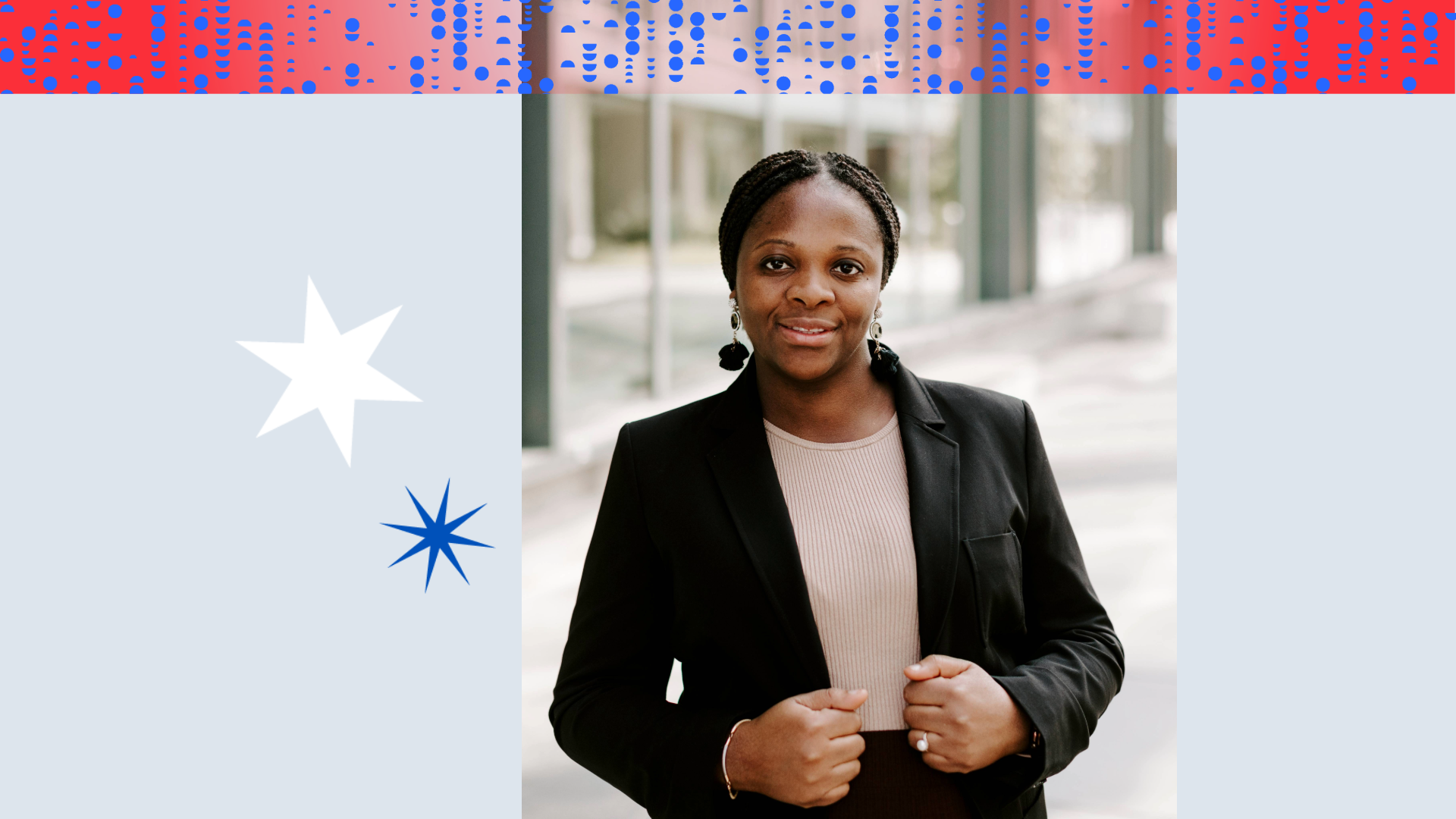
Social Welfare assistant professor Dr. Ricka Mammah witnessed firsthand how Intimate Partner Violence (IPV) affects everyone, and the complexities that come with this issue. Dr. Mammah, an immigrant from Sierra Leone in West Africa, said she feels more open-minded and curious because of her upbringing.
That empathy led her to focus her research on IPV, particularly its impact on immigrant and other historically underserved populations. Her work emphasizes evidence-informed, client-centered social work practice and policy.
Her scholarship explores how social and systemic factors influence survivors’ help-seeking behaviors, access to support systems, and the specific forms of violence they encounter. Dr. Mammah’s dissertation investigates the experiences of African immigrant survivors of IPV in the United States, with particular attention to the role of informal social support networks.
Her findings illustrate how migration and cultural transition reshape patterns of abuse and resource access, often making emotional and psychological abuse more prominent post-migration due to shifts in legal and social contexts.
“IPV doesn't discriminate. It affects the population across different areas it was interesting to understand how it plays in the United States,” Mammah said. “What are the differences between the factors that contribute to it in Africa compared to the factors that contribute to it in the Western world?”
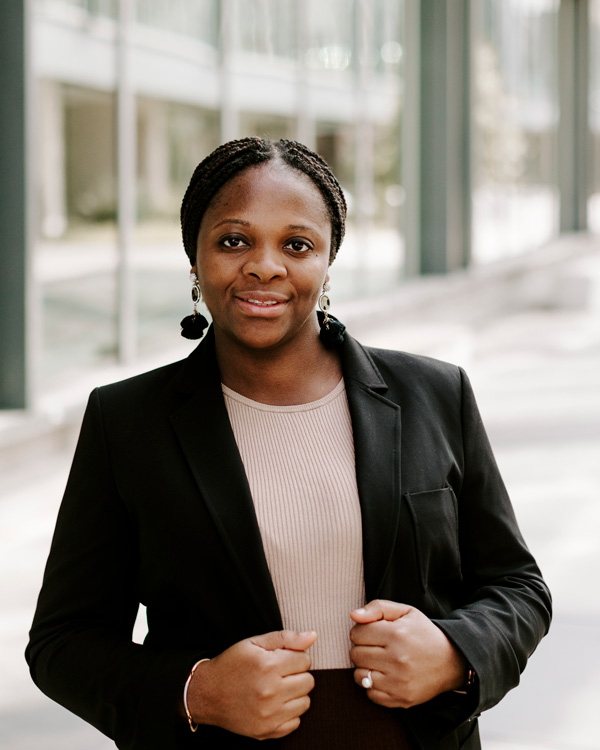
Building on this foundation, Dr. Mammah is extending her research to include other underrepresented communities, aiming to identify service gaps and inform the development of appropriate intervention strategies. She emphasizes that IPV is often multidimensional and not always immediately visible, requiring practitioners to be attentive to less overt forms of harm and their social context.
Dr. Mammah is actively sharing her work through peer-reviewed publications and pursuing external funding to support her research agenda. Her long-term goals include fostering interdisciplinary collaborations and promoting community-based initiatives that support survivors through integrated services, such as childcare, workforce development, and community integration.
“In Africa, they experienced more physical abuse because the laws are not as regulated, more physical abuse, whilst when they come here and they migrate to the Western world, it's more emotional abuse,” Mammah said.
In the classroom, Dr. Mammah promotes theory-informed, ethically grounded social work practice. She encourages students to engage critically with complex social issues, apply theory across levels of practice, and consider the broader social factors shaping individual experiences. She views student engagement as central to linking research and practice and preparing the next generation of competent practitioners.
Mammah’s students in her Theory for Multilevel Social Work course (SW 530) show interest and ask questions about her research, she said.
“How do we look at it together as a whole? That is the validation that I get when I see students interested in thinking outside of the box like that, it makes me feel really good,” Mammah said.
Spreading awareness about IPV can help social workers be more prepared to help those communities who experience it. Mammah said that IPV isn’t always obvious and requires consistent vigilance in everyday life.
“Whether I'm in the store, whether I'm in the classroom, anywhere that I am, I'm more aware and more vigilant when I’m talking to people,” Mammah said.
People who experience IPV can receive help in a range of ways. That could be having a person to help them with childcare and job training. Mammah wants to help these populations feel independent and part of society.
Through her research, teaching, and service, Dr. Mammah is committed to promoting fair access to services, enhancing the responsiveness of social work practice, and strengthening the profession’s capacity to address gender-based violence.